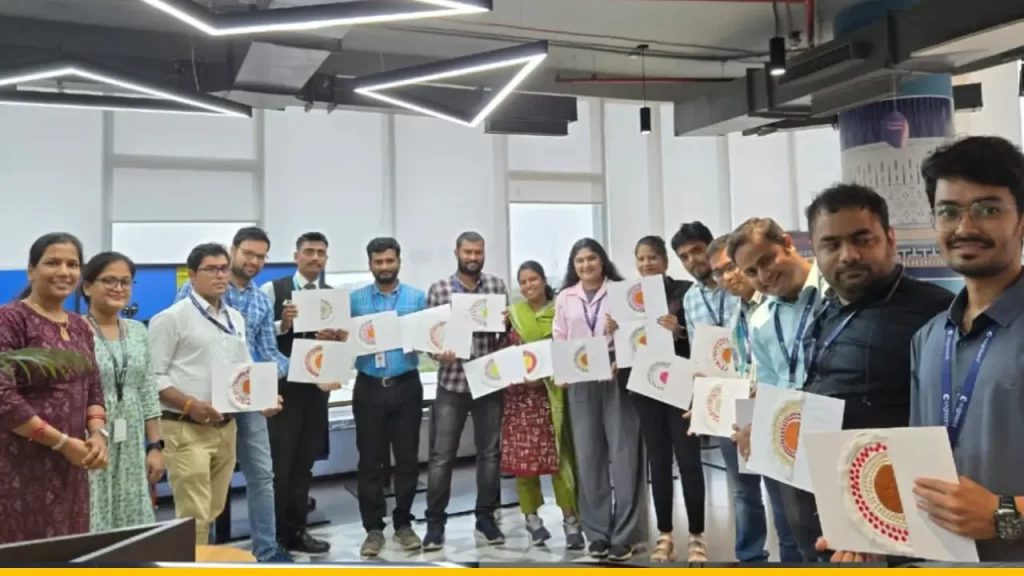
What can a few hours of volunteering create?
Sometimes, it can turn a highly visual science concept into something a student can explore through touch. At other times, it can transform an abstract mathematics idea into a hands-on learning experience that is easier to understand and explore independently.
During the quarter, 443 volunteers participated across 10 volunteering events, contributing 605 hours and creating 621 accessible learning resources for students with visual impairments.
Volunteers from Wipro, Cognizant, and enthusiastic young student volunteers came together with a shared purpose: to create accessible and tactile learning resources that make education more meaningful, engaging and inclusive for students with visual impairments..
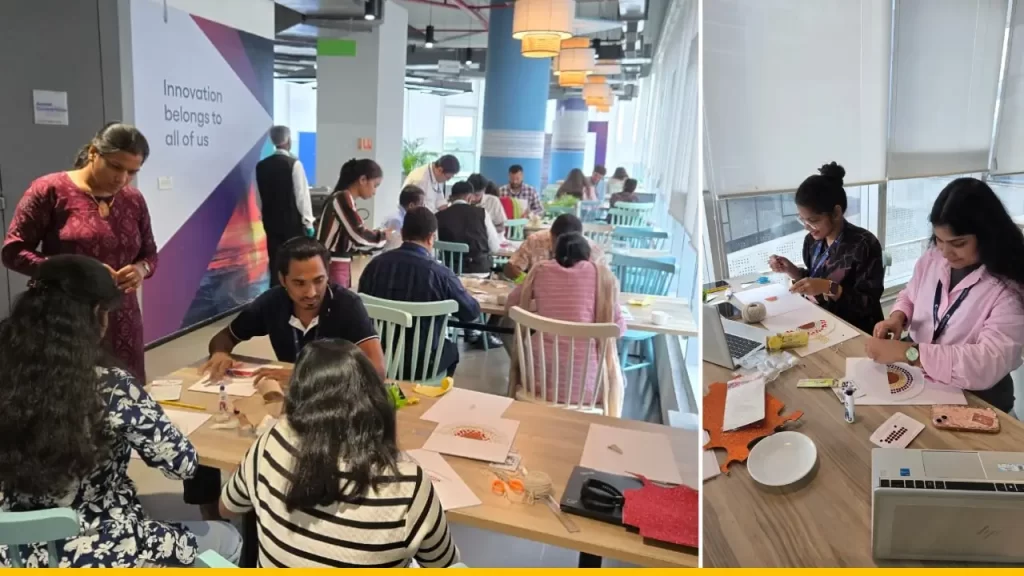
Their contributions covered a wide range of subjects and learning needs. Volunteers created and adapted tactile models of the Earth’s layers, biology models, fraction boards, factor trees, adapted Rubik’s Cubes and other creative learning materials. Each resource was designed to help students move beyond verbal descriptions and engage with concepts through touch, exploration and hands-on learning.
For highly visual subjects such as Science and Mathematics, tactile learning resources and accessible adaptations can make a significant difference for students with visual impairments. A tactile model can help a student understand the structure of a cell, distinguish the different layers of the Earth or explore a mathematical concept that may otherwise remain abstract.
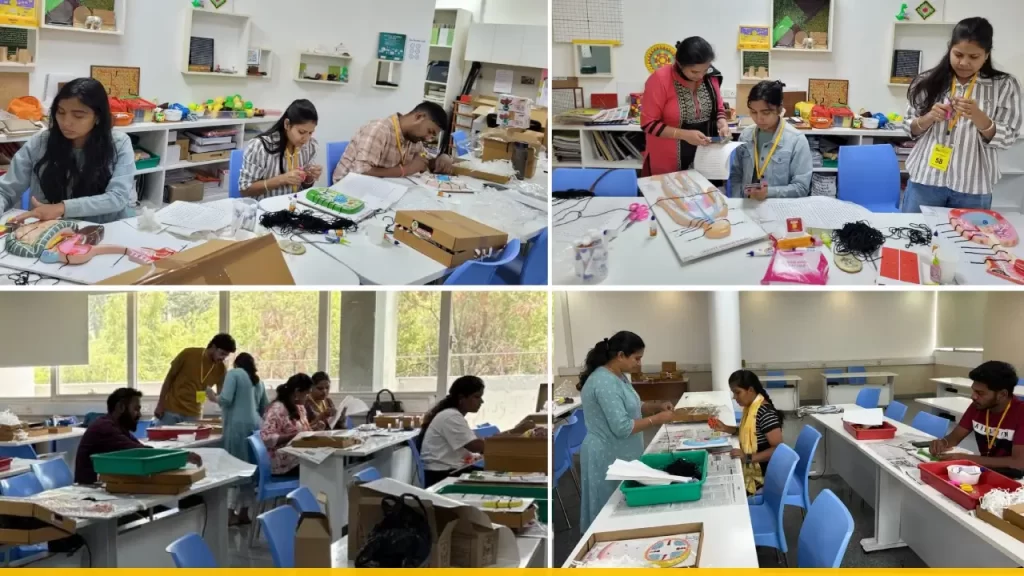
The volunteering activities also gave participants an opportunity to better understand accessibility in education. As they worked on adapting familiar learning materials, volunteers experienced first-hand how thoughtful design, textures, structure and clarity can influence whether a learning resource can be independently used by a student with visual impairment.