What begins as classroom practice can grow into knowledge worth sharing. It was a proud moment to see our community of practice take its learning from classrooms to a national platform.
A 12-member team from Vision Empower, comprising teachers from special schools for children with visual impairments and Vision Empower coordinators, was selected as finalists to present at the Computational Thinking in Schools Conference (CTiS 2026) at IISER Pune. Chosen after multiple rounds of selection, the team’s participation reflects the quality and relevance of their classroom innovations in accessible computational thinking and inclusive STEM education.
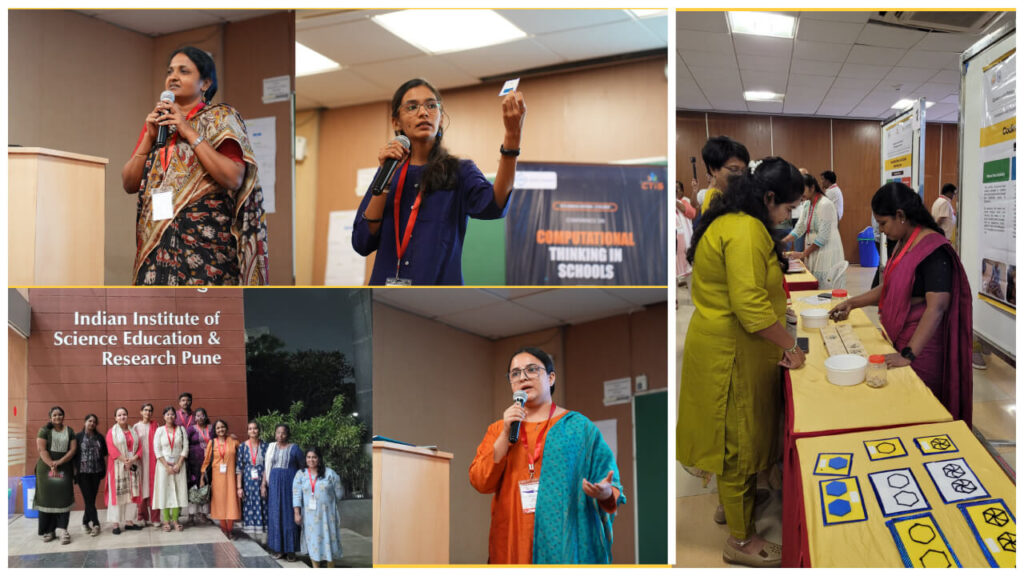
CTiS is one of the few national forums where educators from special and mainstream schools come together to exchange ideas and share innovations in computational thinking. It provided our teachers with an opportunity to showcase inclusive classroom practices for learners with visual impairments while engaging with the wider education community.
At Vision Empower, we work closely with teachers to make STEM learning more accessible by integrating computational thinking into everyday teaching. Through adapted games, hands-on activities, and accessible teaching strategies, learners with visual impairments develop logical reasoning, decomposition, pattern recognition, problem-solving, and algorithmic thinking, while strengthening their understanding of mathematics and science.
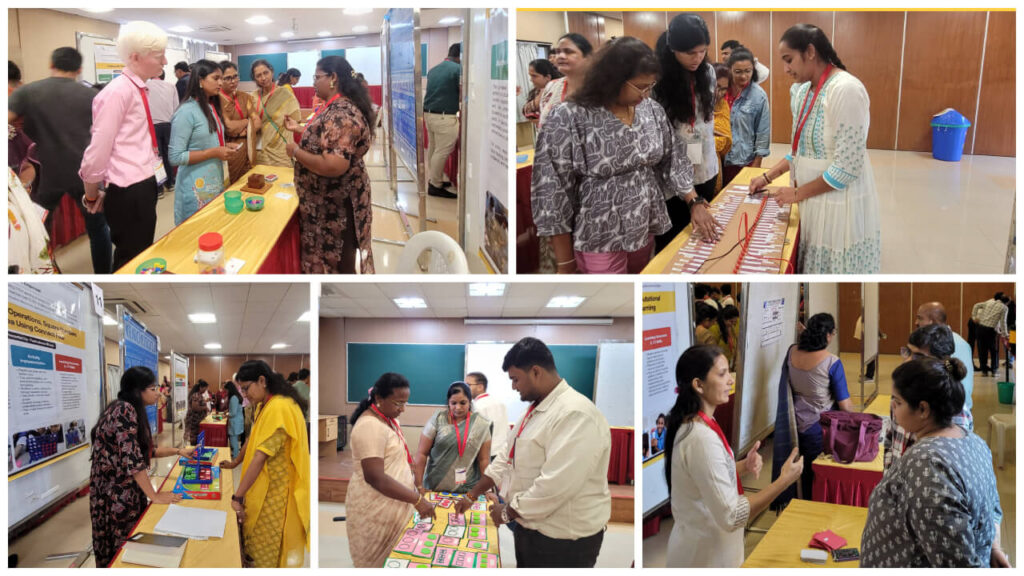
At the conference, our team presented papers and posters demonstrating how computational thinking activities can be adapted for learners with visual impairments, making STEM learning more accessible, engaging, and meaningful. These classroom practices show how accessible computational thinking can make STEM learning more accessible, engaging, and meaningful for students with visual impairments.
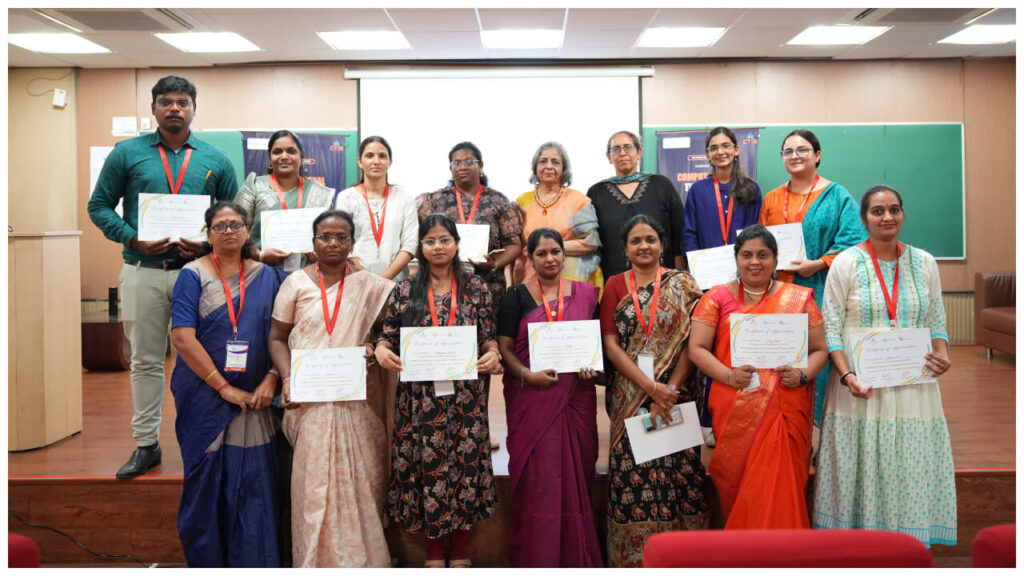
We congratulate our teachers and coordinators for sharing their classroom experiences on a national platform and thank ACM India for creating this valuable space for educators to learn from one another and advance inclusive teaching practices.