What game from your childhood still brings back a flood of memories?
Was it a heated game of Ludo that ended in arguments and laughter? A Carrom match with cousins during summer vacations? Or endless rounds of Hide and Seek or Kho Kho with friends until someone called you home?
Beyond the fun, play quietly taught us teamwork, patience, problem-solving, creativity, and fair play.
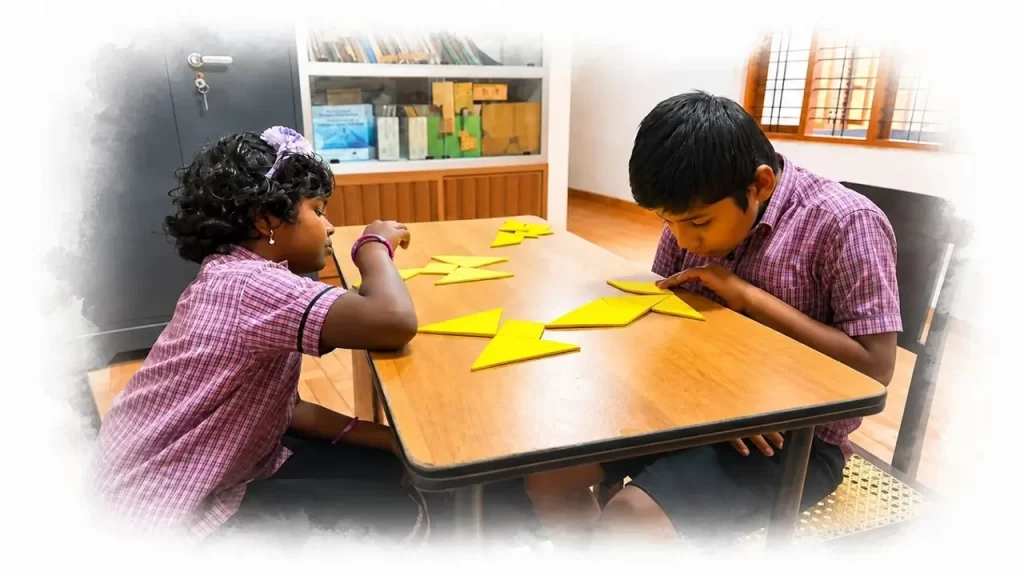
Play is woven into all our activities with students. The idea is simple – children learn best when they are having fun. Through Project VICT (Computational Thinking for the Visually Impaired), learners engage with accessible games that build numeracy, logical reasoning, problem-solving, creativity, collaboration, and confidence.
Rooted in Ludic Design for Accessibility, we ensure that every game is designed so that children with visual impairments can participate, learn, and play alongside their peers.
This year’s International Day of Play theme, “Protect Play, Protect Childhood,” resonates deeply with us. Protecting play also means making it accessible, so every child can experience the joy of learning, friendship, and childhood. Let us protect play by making it accessible for every child.
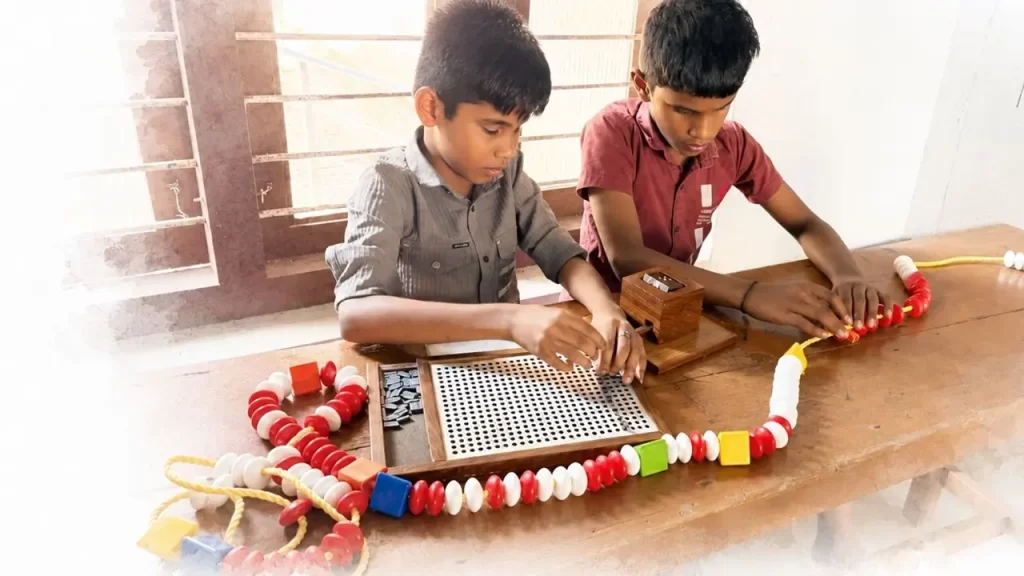
What they’re learning: Number sense, patterns, counting strategies, and confidence with mathematics.
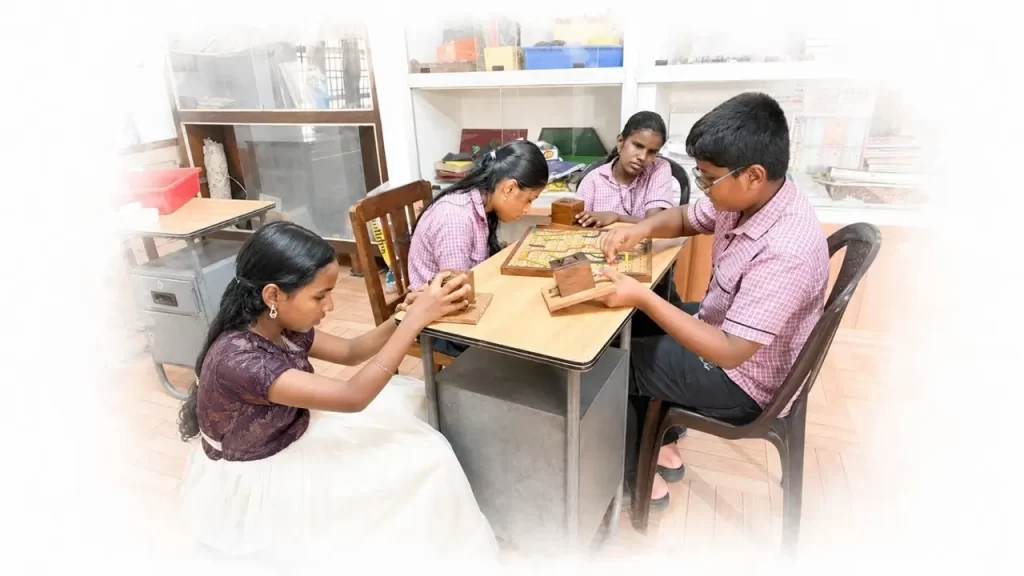
What they’re learning: Number sequencing, cause-and-effect thinking and fair play.
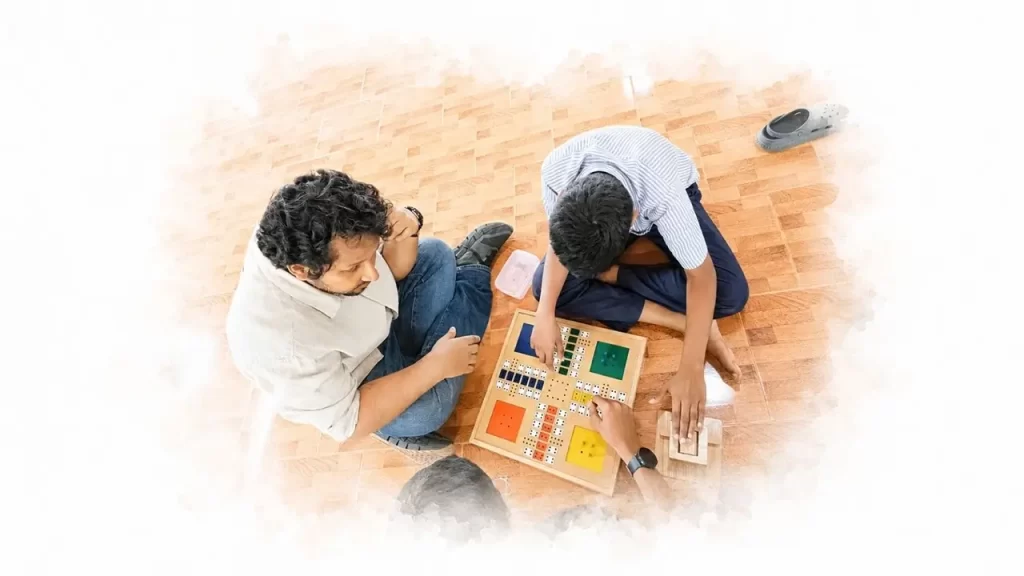
What they’re learning: Counting, planning moves, decision-making, and patience.
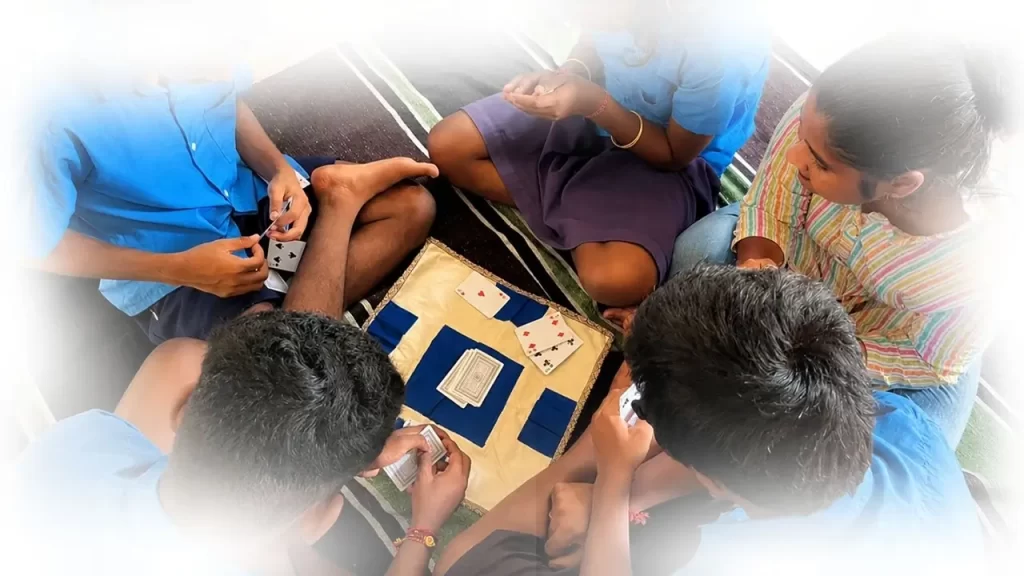
What they’re learning: Pattern recognition, prediction, logical thinking, creativity, and problem-solving.
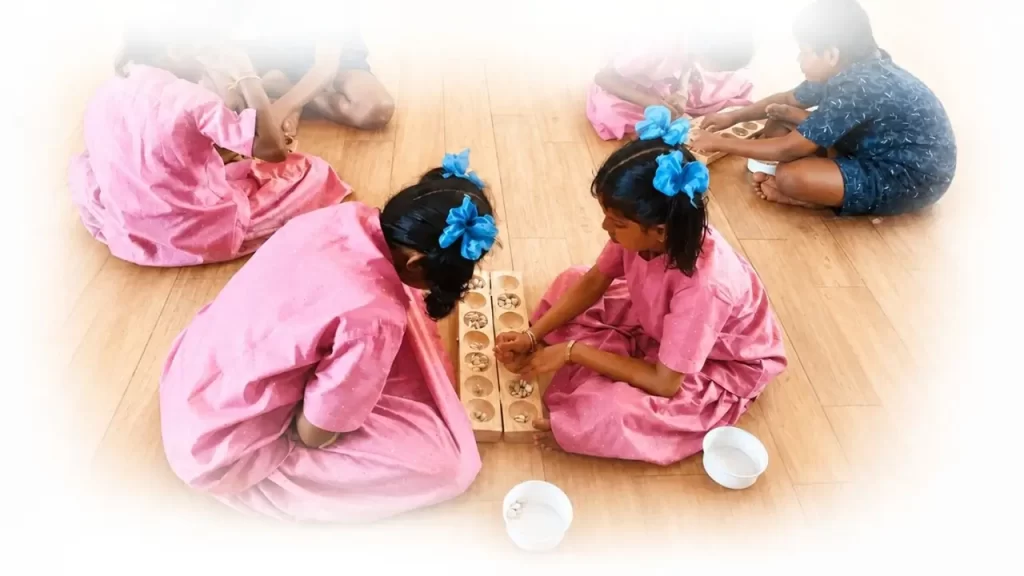
What they’re learning: Counting, grouping, strategy, planning ahead, and traditional collaborative play.