Breaking mindset barriers in inclusive education is essential to ensure that children with visual impairments can fully access and succeed in STEM subjects. This clip from Vision Empower highlights how limiting beliefs—not ability—often prevent children from exploring science and math, and why changing perceptions is the first step toward real inclusion.
Watch the Inclusion Dialogue Clip:
Why Breaking Mindset Barriers Matters
At the heart of Vision Empower’s work lies a critical challenge: the widespread belief that children who are blind or visually impaired cannot learn science and mathematics.
These assumptions:
- Lower expectations from teachers and caregivers
- Limit opportunities for exploration and growth
- Shape how children perceive their own potential
In this clip, Sylvia shares how these deeply rooted beliefs influence learning outcomes—and why addressing them is just as important as building accessible tools.
Breaking Mindset Barriers in Inclusive Education: The Bigger Impact
Breaking mindset barriers in inclusive education goes beyond classrooms—it transforms systems, attitudes, and futures.
When beliefs shift:
- Teachers begin to expect and support higher learning outcomes
- Parents recognize the value of STEM education
- Children gain confidence to pursue their interests
Accessible tools and tactile learning methods are powerful—but without belief, their impact remains limited. True inclusion begins when we recognize ability, not disability.
From Access to Empowerment: What Needs to Change
To create meaningful inclusion, we must focus on both mindset and method:
What can drive change?
- Teacher training that builds confidence in inclusive STEM education
- Parental awareness about opportunities in science and math
- Hands-on learning tools like tactile diagrams and audio-based learning
- Encouragement of curiosity, not restriction based on assumptions
Additional Insight: Why Mindset Change Is Urgent Today
Recent shifts in education emphasize STEM skills as essential for future careers. However, children with disabilities are often excluded—not due to lack of ability, but due to outdated perceptions.
By addressing mindset barriers:
- We open pathways to STEM careers
- We promote equity in education systems
- We empower children to make independent choices
This is not just about access—it’s about dignity, opportunity, and long-term impact.
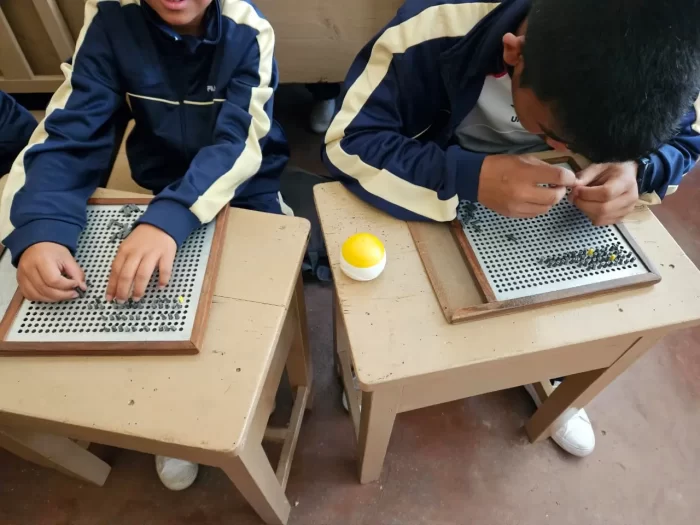
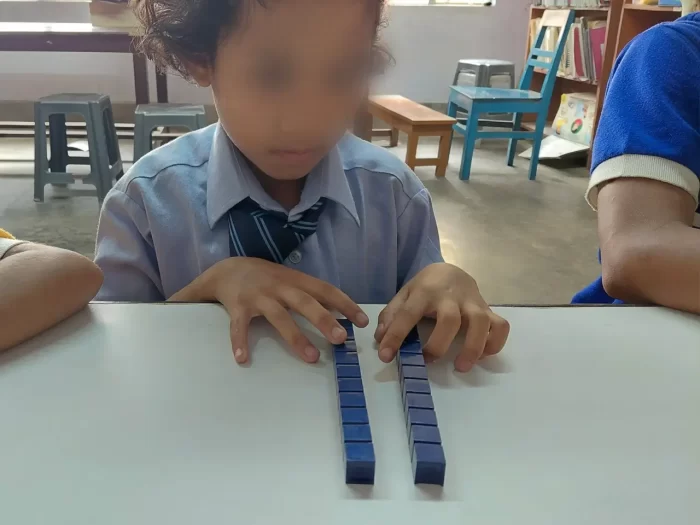
Everything ultimately comes down to mindset. Unless we shift how people think about ability and access, even the best tools and interventions will fall short.
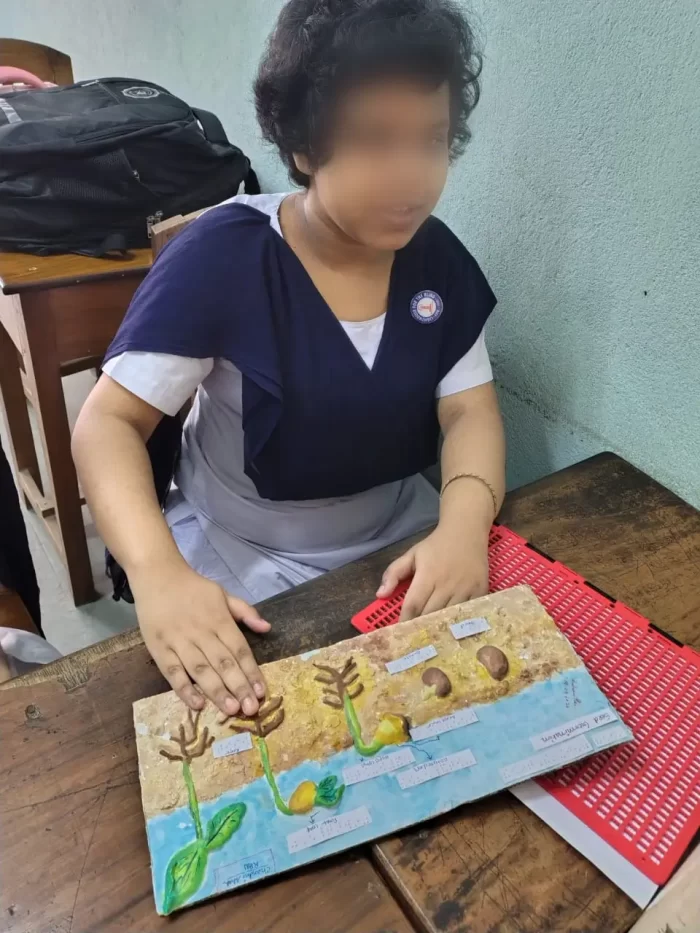
Stem session on the topic of Germination being conducted in class. The student is learning with the help of a tactile diagram.
FAQ: Breaking Mindset Barriers in Inclusive Education
What are mindset barriers in inclusive education?
Mindset barriers are limiting beliefs that assume children with disabilities cannot achieve in certain subjects, especially STEM, which restricts opportunities and expectations.
Why is mindset important in inclusive STEM education?
Mindset influences how teachers teach, how parents support, and how children see themselves. A positive mindset enables better learning outcomes and confidence.
Can visually impaired children learn science and math effectively?
Yes. With accessible tools like tactile diagrams and inclusive teaching methods, visually impaired children can successfully learn and excel in STEM subjects.
How can educators help break these barriers?
Educators can adopt inclusive teaching strategies, use accessible learning tools, and maintain high expectations for all students.
Inclusion begins where assumptions end.
– Vidhya Y